Introduction
In today's rapidly evolving industrial and manufacturing landscape, one of the most significant challenges companies face is the loss of critical knowledge and expertise. This phenomenon, known as "knowledge leak," refers to the unintended loss of valuable information, skills, and troubleshooting expertise that are vital for maintaining operational efficiency and driving innovation. In this blog post, we'll explore how knowledge leak, particularly the loss of generational wealth of knowledge from experienced engineers, can be incredibly costly for industrial setups and manufacturing processes.
Understanding Knowledge Leak
Knowledge leak in industrial and manufacturing contexts involves the loss of technical expertise, skills, and problem-solving knowledge crucial for operational success. This loss can occur through various channels, such as employee turnover, inadequate documentation, and insufficient knowledge transfer processes.
One of the most pressing challenges in this area is the transfer of knowledge across generations. As experienced employees, particularly those from the baby boomer generation, retire, the risk of losing critical tacit knowledge increases. Unlike procedural knowledge, tacit knowledge is difficult to document and is often acquired through years of hands-on experience.
There are three primary types of knowledge transfer:
- Linear – One-to-one transfer where knowledge flows from a single source to a single recipient, common in traditional training where an experienced worker trains a junior directly. It has limits when knowledge must reach many employees.
- Convergent – Multiple sources contribute knowledge to a single recipient, as in structured programs where an individual learns from various experts. This builds a well-rounded understanding but may still miss undocumented tacit knowledge.
- Divergent – One source distributes knowledge to multiple recipients, such as mentorship or company-wide training. This is the most scalable but needs structured documentation and technology to be effective.
Each of these models has implications for knowledge retention strategies in manufacturing, and organizations must tailor their approaches based on their workforce demographics and operational requirements.
The Relationship Between Knowledge Leak and Industrial Downtime
Knowledge leak in industrial and manufacturing settings—including semiconductors, utilities, and traditional manufacturing—is intrinsically linked to increased downtime, with severe financial implications across industries.
1. Inefficient Preventive Maintenance
- A robust preventive-maintenance plan can improve equipment reliability by 35–50%. Without the necessary knowledge, those gains never materialize, resulting in more frequent breakdowns and increased downtime.
- In semiconductors, where equipment is highly specialized, the impact is even more severe: even minor equipment issues can cause significant production losses.
- For utilities, inefficient maintenance can lead to critical system failures, causing widespread service disruptions and public-safety concerns.
2. Extended Troubleshooting Time
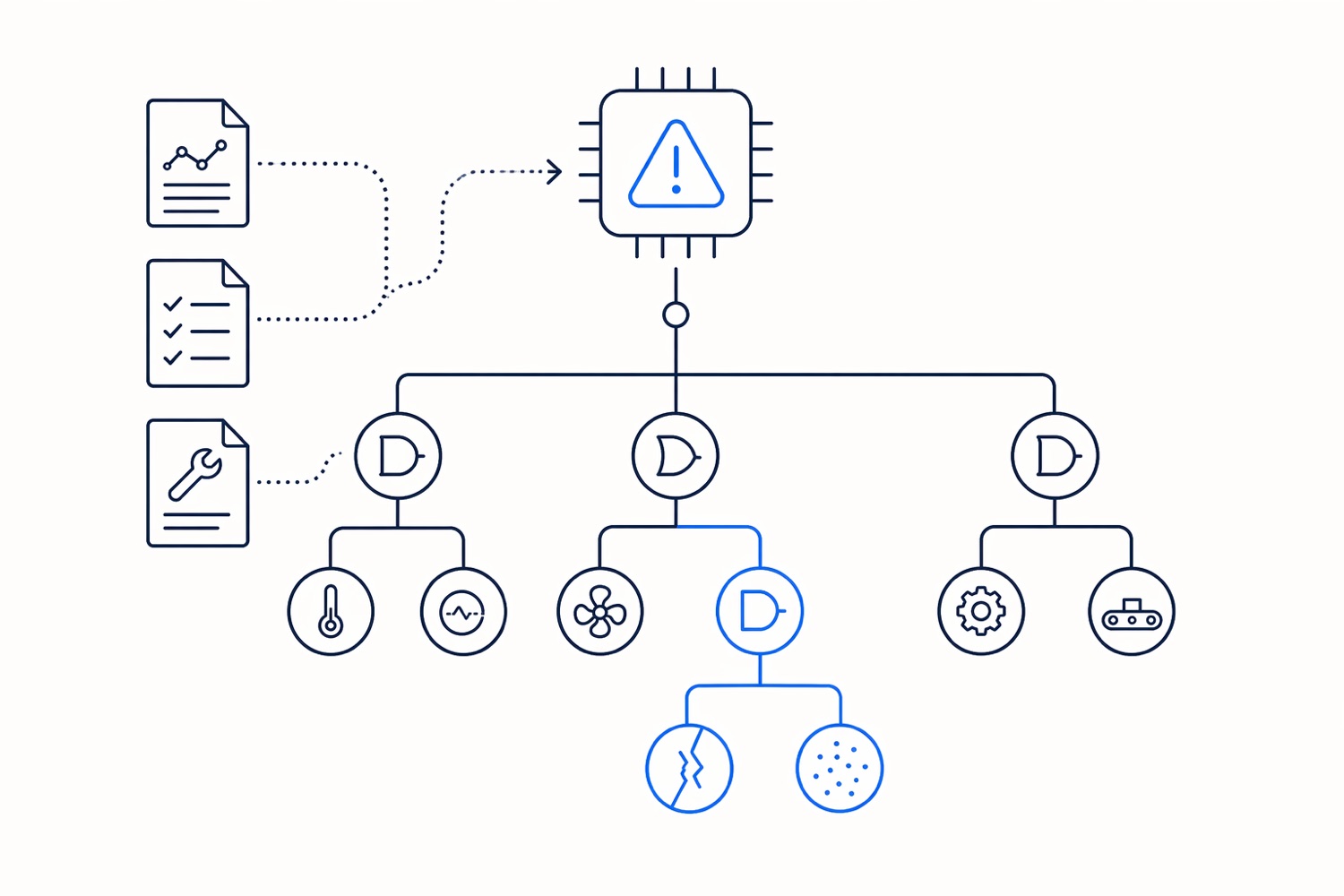
- Less experienced workers require more time to understand issues and often consult manuals or seek external help, extending the period equipment stays offline.
- In semiconductors, sensitive, interconnected processes mean extended troubleshooting cascades across the whole line.
- For utilities, extended troubleshooting means prolonged outages that affect the broader community.
3. Loss of Tacit Knowledge
Experienced workers hold insights that are hard to document: an intuitive understanding of equipment quirks, quick problem-solving techniques honed over years, and efficient workflows that minimize downtime during maintenance. When that tacit knowledge is lost, new workers struggle to match their predecessors' efficiency.
The Staggering Cost of Downtime Across Industries
Downtime can be extremely costly, varying significantly across industries. Here's a breakdown of the estimated cost per hour of process or tool downtime:
Manufacturing
- Average cost: $260,000 per hour, reaching up to $3 million per hour
- Manufacturers experience roughly 800 hours of downtime annually
Semiconductor Industry
- $1 million per hour for unplanned downtime
- A major Taiwan-based manufacturer suffered a $170 million loss from a single downtime incident in 2018
- A $7 billion wafer fab needs $4 million per day to amortize its investment—so even a minute of downtime is costly
- Nearly 20% of losses in the industry result from downtime
IT & Enterprise
- IT downtime costs range from $145,000 to $450,000 per hour
- Server outages can reach $300,000 per minute
- Large enterprises report costs exceeding $1 million per hour, sometimes reaching $5 million
Other Industries
- Automotive: ~$3 million per hour ($50,000 per minute)
- Healthcare: $636,000 per hour · Retail: $1.1 million per hour
- Telecommunications: $2 million per hour · Energy: $2.48 million per hour
98% of organizations say one hour of downtime costs over $100,000, and 44% report costs exceeding $1 million per hour. Downtime costs have risen 32% over the past seven years as reliance on digital infrastructure grows.
Knowledge Management Strategies Across Industries
1. Robust Knowledge Management Systems
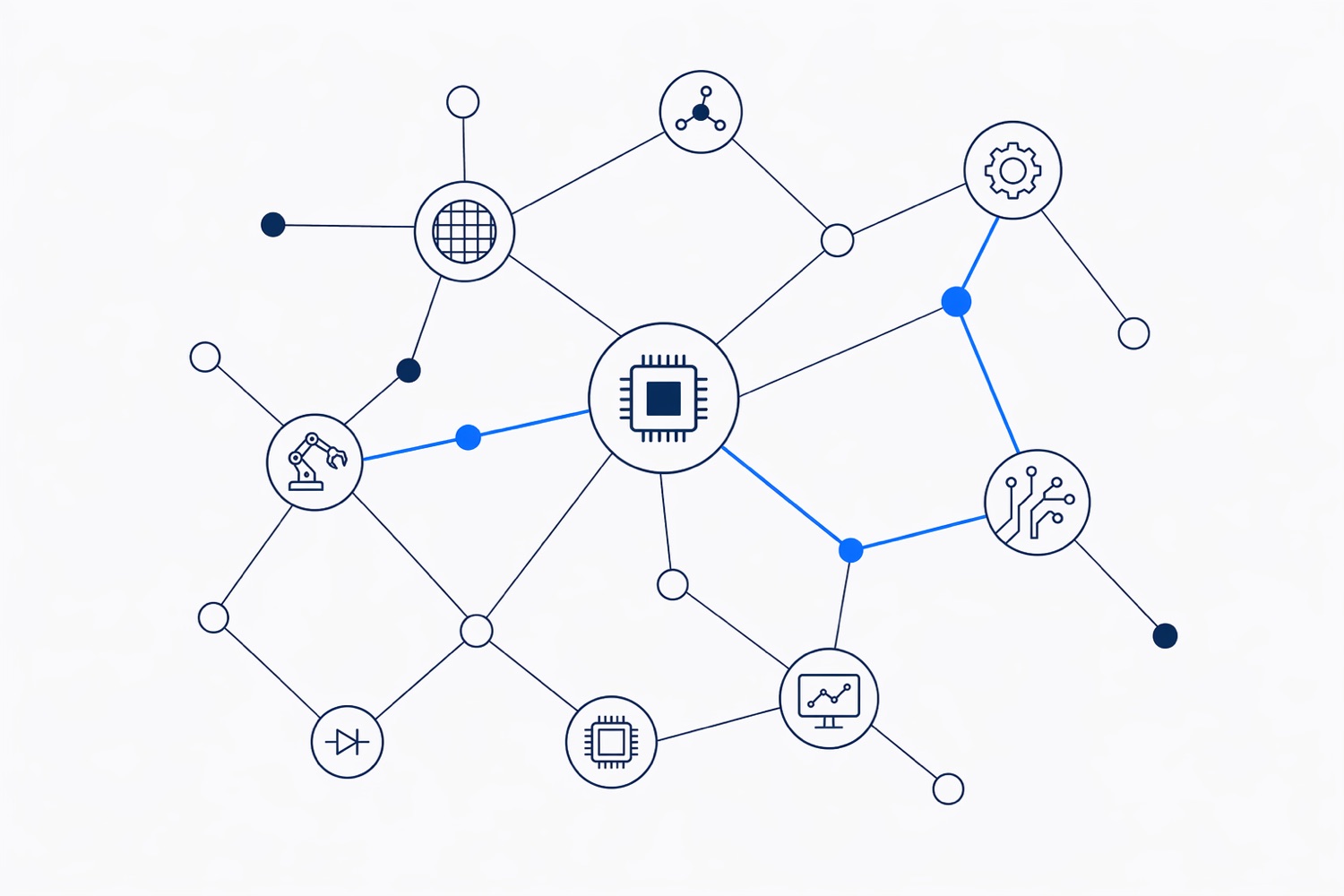
Centralize and organize information so it is readily accessible — essential where precision and speed are critical, and valuable in utilities for capturing legacy-system and compliance knowledge.
2. Promoting a Knowledge-Sharing Culture
Structured training and mentorship bridge the gap between experienced and new workers. In manufacturing, cross-training employees across functions mitigates single-point-of-failure risk.
3. Leveraging Advanced Technologies
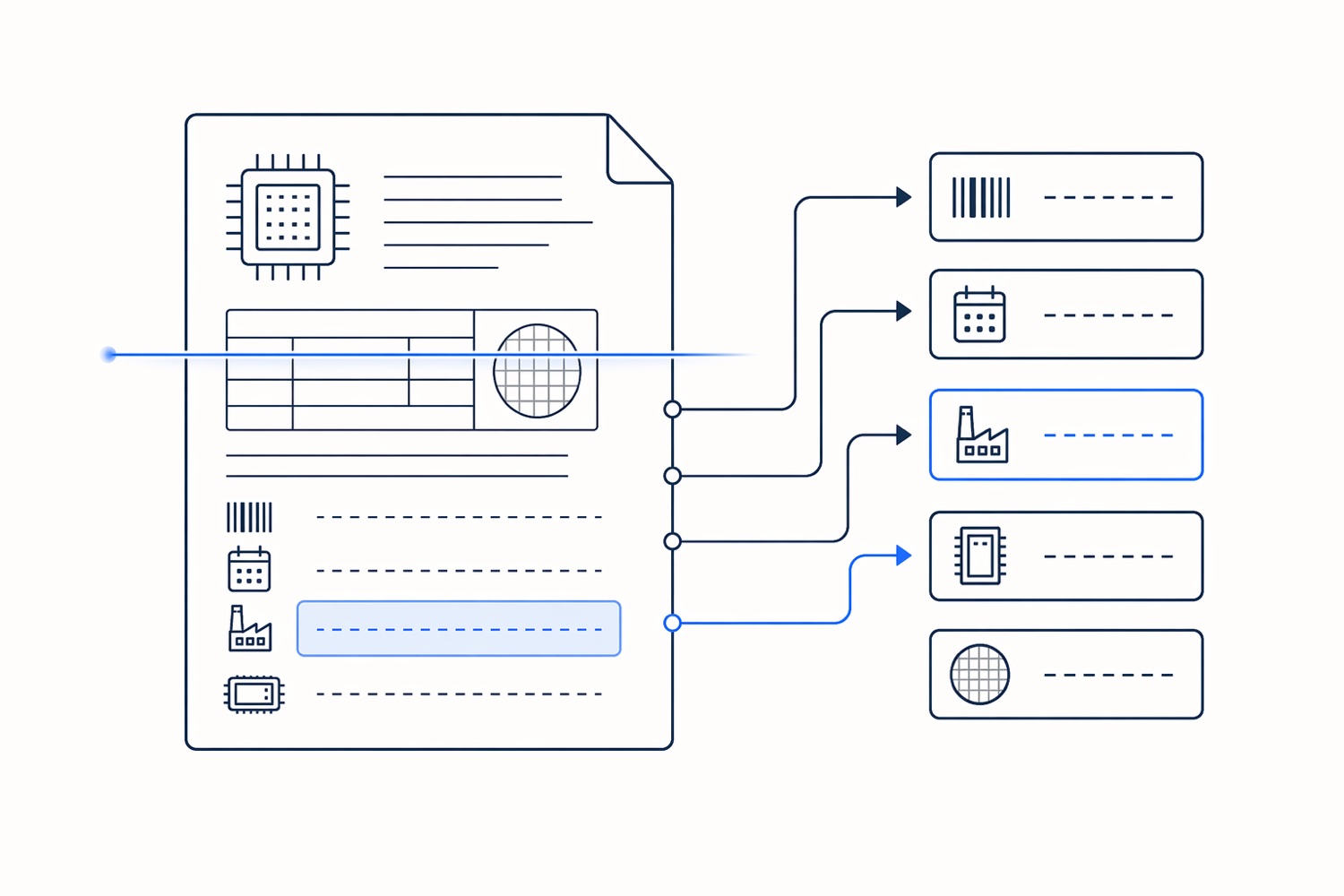
Generative AI and smart-manufacturing tools optimize processes and enhance retention—while protecting sensitive data. AI can categorize and summarize content so employees find relevant information quickly.
4. Conducting Regular Knowledge Audits
Periodic evaluations of knowledge repositories identify gaps, especially important in fast-moving fields like semiconductors and IT, and for keeping utilities' emergency-response procedures current.
Conclusion
The relationship between knowledge leak and industrial downtime is a critical issue across semiconductors, utilities, and traditional manufacturing. As experienced workers leave, industries face inefficient preventive maintenance, extended troubleshooting, and loss of tacit knowledge—all of which drive up downtime, and the cost is staggering.
To mitigate it, industries must adopt a strategic approach to knowledge retention: comprehensive knowledge-management systems, a culture of structured knowledge-sharing, AI-driven analytics, and systematic knowledge audits. ThirdAI Automation's advanced reporting and Root Cause Analysis agents help organizations capture, analyze, and reuse operational data—reducing unplanned downtime and driving sustained competitive advantage.