Introduction
Industrial Root Cause Analysis (RCA) has long been celebrated as a structured method for troubleshooting and problem-solving. However, in practice, even the most well-designed RCA processes often stumble due to unstructured documentation and reporting. Engineers frequently rely on emails, chat logs, and ad hoc notes to debug and troubleshoot issues—sources that quickly become the breeding ground for disorganized data. At ThirdAI Automation, we understand that while RCA itself is vital, the process of documenting and reporting these analyses is equally crucial. This article explores the challenges of traditional RCA and shows how leveraging LLMs and AI agents can revolutionize the process.
The Reality of Traditional RCA
Traditional RCA is designed around a clear framework: identify the problem, gather data, analyze causes, implement solutions, and validate results. Yet, on the shop floor, the process is often compromised by:
- Unstructured Data Overload: Critical details are scattered across emails, chat logs, informal meeting notes, and even handwritten documents. This "human glue" of documentation rapidly becomes a source of disorganization.
- Fragmented Communication Channels: Troubleshooting insights emerge in real-time chats or unscheduled emails but rarely make their way into formal RCA reports, creating a critical context gap.
- Dependence on Manual Reporting: Engineers spend considerable time compiling and organizing information from various unstructured sources, delaying RCA and increasing the risk of errors.
The outcome is clear: while traditional RCA provides a structured blueprint, its heavy reliance on unstandardized documentation and dispersed communication severely limits its real-world effectiveness.
Documentation and Reporting: The Crucial Starting Point
- The boring but essential work: Documentation and reporting form the foundation for effective diagnostics, yet often become a jumble of unorganized notes, images, and messages.
- Impact on debugging: Structured, accurate documentation lets engineers trace the sequence of events leading to a failure. When unstructured, it delays identifying the underlying issue and prolongs downtime.
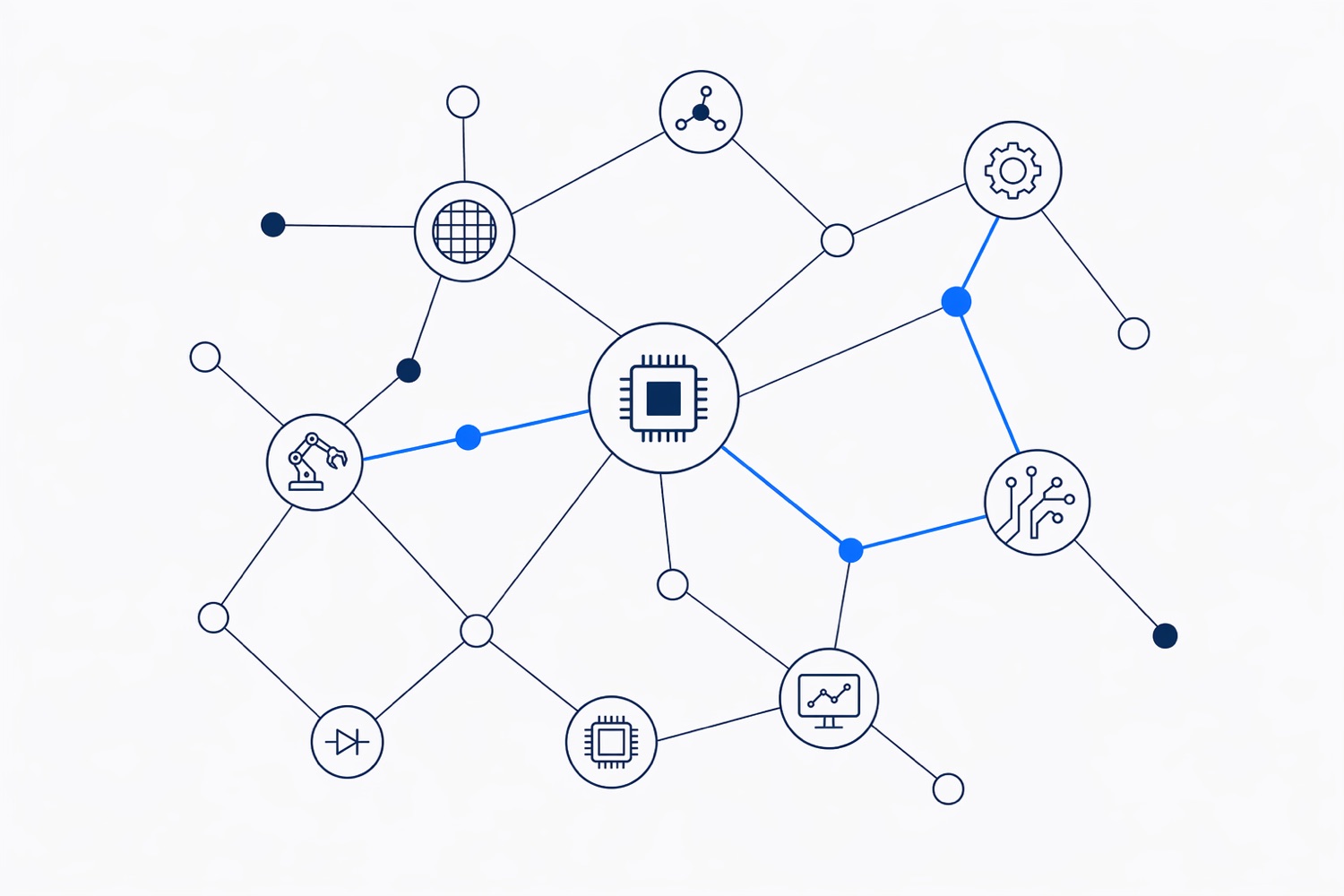
- Integration challenges: Combining fragmented sources—emails, chats, internal logs—into a cohesive RCA report is daunting, underscoring the need for a modern solution.
How LLMs and AI Agents Transform RCA
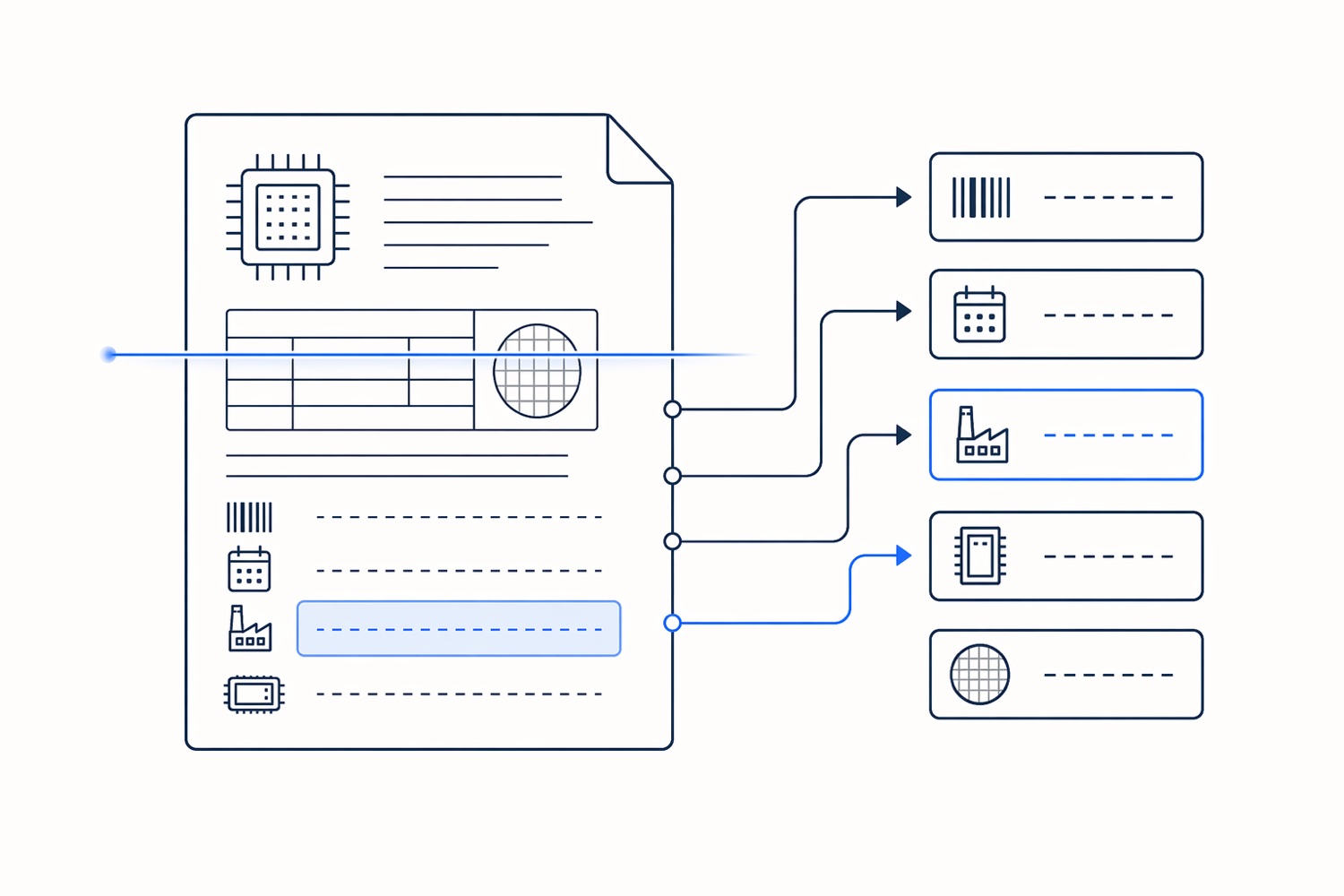
- Dynamic extraction of unstructured data: AI agents automatically scan and interpret emails, chat logs, and other documentation, compiling critical insights into a unified dataset and standardizing the process.
- Real-time integration and analysis: LLM-based systems interface with live operational logs and databases, giving engineers complete, accurate context while diagnosing issues.
- Enhanced pattern recognition: Machine-learning algorithms sift through large volumes of unstructured data to detect recurring patterns and anomalies, accelerating resolution.
- Streamlined collaboration: By converting fragmented communications into a coherent narrative, AI agents improve collaboration across teams.
Why Industrial Automation Needs Evolved RCA Processes
- Faster incident resolution through AI-driven analysis of historical patterns, sensor readings, and maintenance logs, correlating past incidents with current failures.
- Lower operational costs by automating data collection and initial analysis, and anticipating failures with predictive maintenance.
- Proactive risk management as predictive analytics detect subtle anomalies and shift teams from reactive to proactive decision-making.
- Enhanced engineering efficiency by compiling reports automatically so engineers focus on solving complex problems.
- Data-driven decision making with real-time dashboards and trend analysis in place of intuition.
- Continuous knowledge enhancement as AI-powered RCA platforms learn from each incident and retain expertise across the organization.
The Future of Industrial Root Cause Analysis
The integration of LLMs and AI agents into the industrial RCA ecosystem is revolutionizing how industries approach problem-solving, operational efficiency, and decision-making—moving beyond reactive methods to proactive, automated, and intelligent systems.
Predictive and Prescriptive Analytics
AI-driven RCA systems are evolving to not only identify potential issues but also autonomously prescribe and implement corrective actions. They forecast potential failures before they occur, autonomously intervene by adjusting process parameters or initiating maintenance workflows, and optimize resource allocation to minimize waste.
Data-Driven Decision Making
AI agents excel at processing massive, unstructured datasets from IoT devices, production logs, and environmental sensors—correlating hidden factors, delivering real-time intelligence, and standardizing troubleshooting to reduce reliance on subjective judgment.
Continuous Improvement
Unlike traditional RCA, which suffers from knowledge loss due to turnover, AI agents act as persistent knowledge repositories: learning from every incident, self-optimizing over time, and fostering a culture of operational excellence.
Enhanced Collaboration Between Humans and AI
By acting as assistive tools, AI systems let engineers focus on higher-level strategic tasks: augmenting human expertise with actionable insights and streamlining workflows by reducing manual effort.
Harnessing LLMs and AI agents turns chaotic data into structured, actionable insight — bridging the gap between RCA in theory and RCA in practice.
Visit ThirdAI Automation today to discover how our AI-driven solutions can streamline your RCA processes, upgrade your documentation practices, and propel your industrial operations into the future.