| 4.2 daysMedian time from an issue being raised to resolved | 1.1 daysMedian time to the first department response | 7 weeksFrom first request to live in production |
At a Glance
Quality issues in manufacturing rarely involve a single department. A defect found on the production line may need input from Production, IQC and PQC before its root cause is established and the corrective action is verified.
ThirdAI Automation brought these activities into one workspace for Consumer Electronics Manufacturer. The workflow connects issue reporting, departmental responses, root cause investigation and verification. AI generates ranked root cause candidates grounded in product-specific SOPs and reference documents, giving engineers an evidence-based starting point while the final decision stays with them.
Consumer Electronics Manufacturer builds notebooks, monitors, all-in-one PCs, power adapters, servers and interactive flat panels. The workflow went live in production in September 2026, and team completed onboarding in early October. Production, IQC, Inventory, PPC and PEG now respond to issues on the platform.
The Challenge
Resolving a quality issue involves more than identifying a defect. Teams need to establish what happened, decide which departments should investigate, document containment and corrective actions, and verify that the fix worked. When those steps are spread across disconnected channels, ownership and progress are hard to track. Responses span several departments, investigations lack a consistent structure, and aging issues are easy to miss.
Root cause analysis adds a second requirement. Engineers need to investigate using the process knowledge and documentation the organization already holds instead of starting every investigation from scratch. AI suggestions also have to be explainable. Engineers need to understand why a cause is proposed before they accept it.
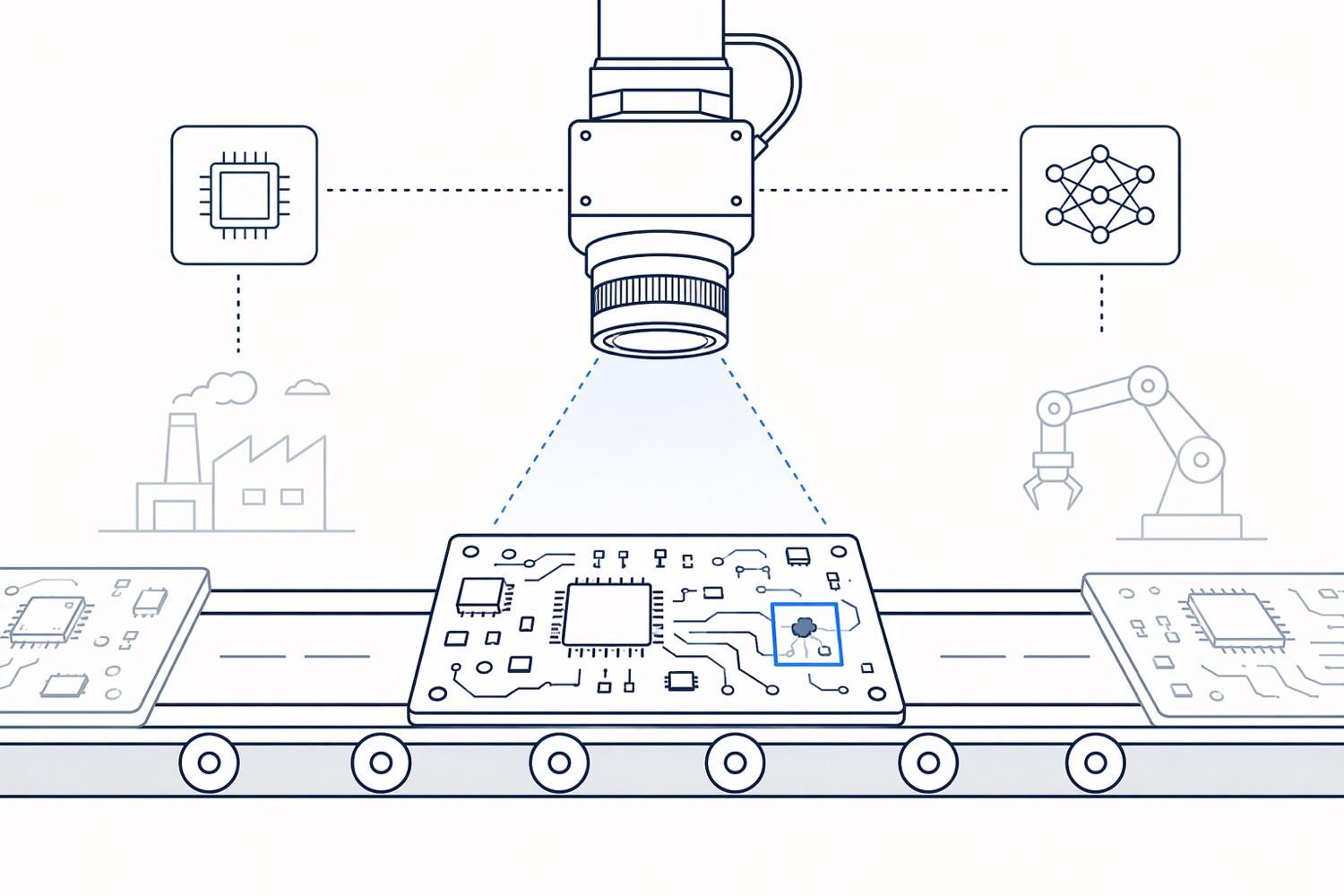
Before ThirdAI, Consumer Electronics Manufacturer managed quality issues over email and Excel sheets, so responses and documents sat in separate threads and files. It was hard to see who owned an issue, what each department had done, and whether a fix had been checked. The manufacturer already used ThirdAI's vision AI to detect cosmetic defects, and in July 2026 it asked ThirdAI to bring issue resolution onto the same platform.
How ThirdAI Approached It
ThirdAI built the workflow around three stages. Rather than treating issue reporting and root cause analysis as separate activities, it connects them through one process in which every issue has defined ownership, documented responses and a verification step.
- Raise: the user records the product, line, priority, departments involved, a point of contact for each department and a verifier and attaches photos and documents as evidence.
- Respond: each department records its containment action, the root cause as a 5-Why and a corrective action with a target date.
- Verify: the verifier accepts each response or sends it back for rework, then closes the issue or keeps it under monitoring.
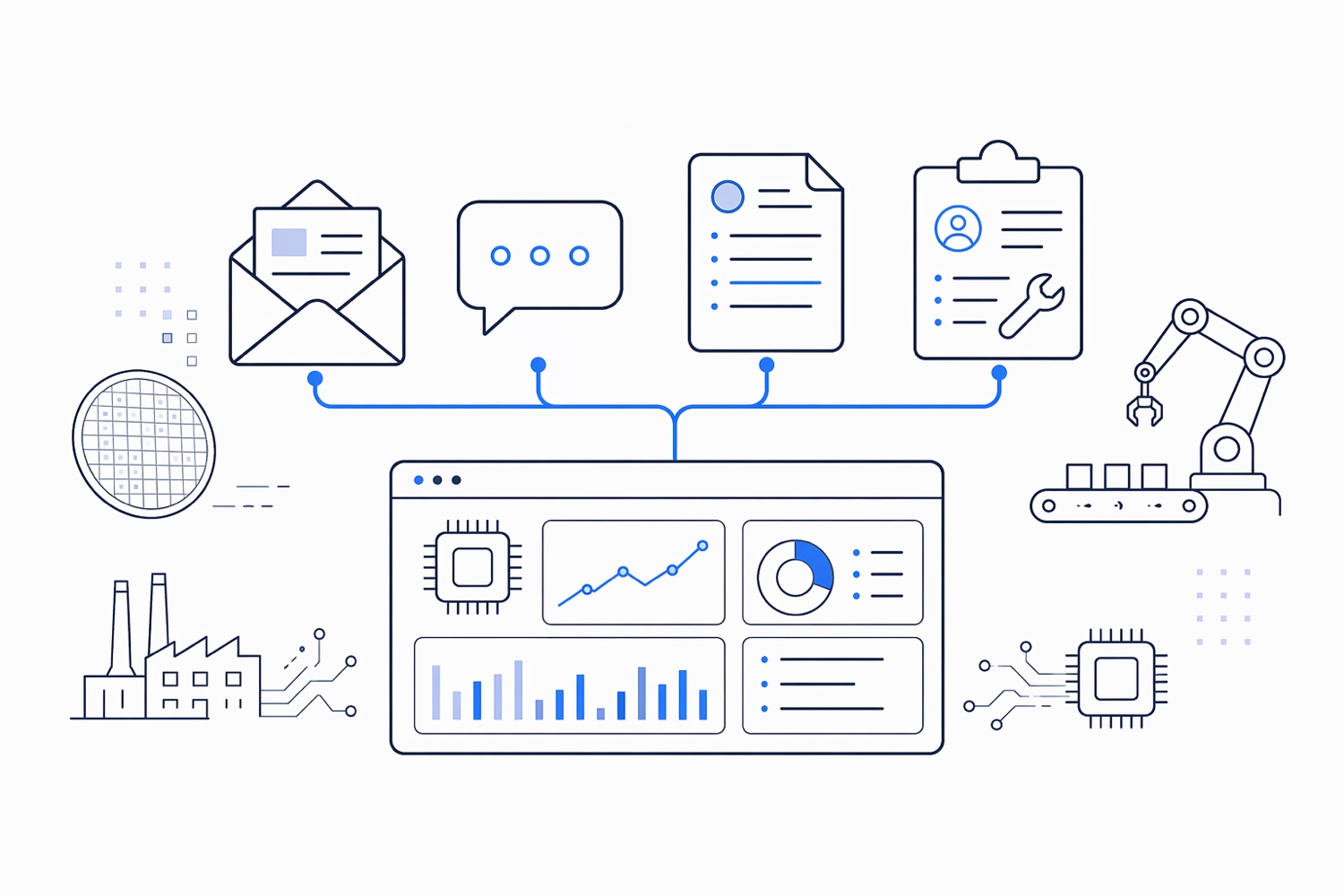
Discussion threads, related files and a timestamped activity log keep the history of each investigation in one place.
The workflow was designed with Consumer Electronics Manufacturer and built on the existing ThirdAI platform. A working prototype was ready within a week, and the workflow was live in production about seven weeks after the first request. It runs alongside the manufacturer's defect detection on the same platform, so existing users got access automatically. Departments, roles and permissions are set through configuration, so new departments need no engineering change.
Making Root Cause Analysis Evidence-Based
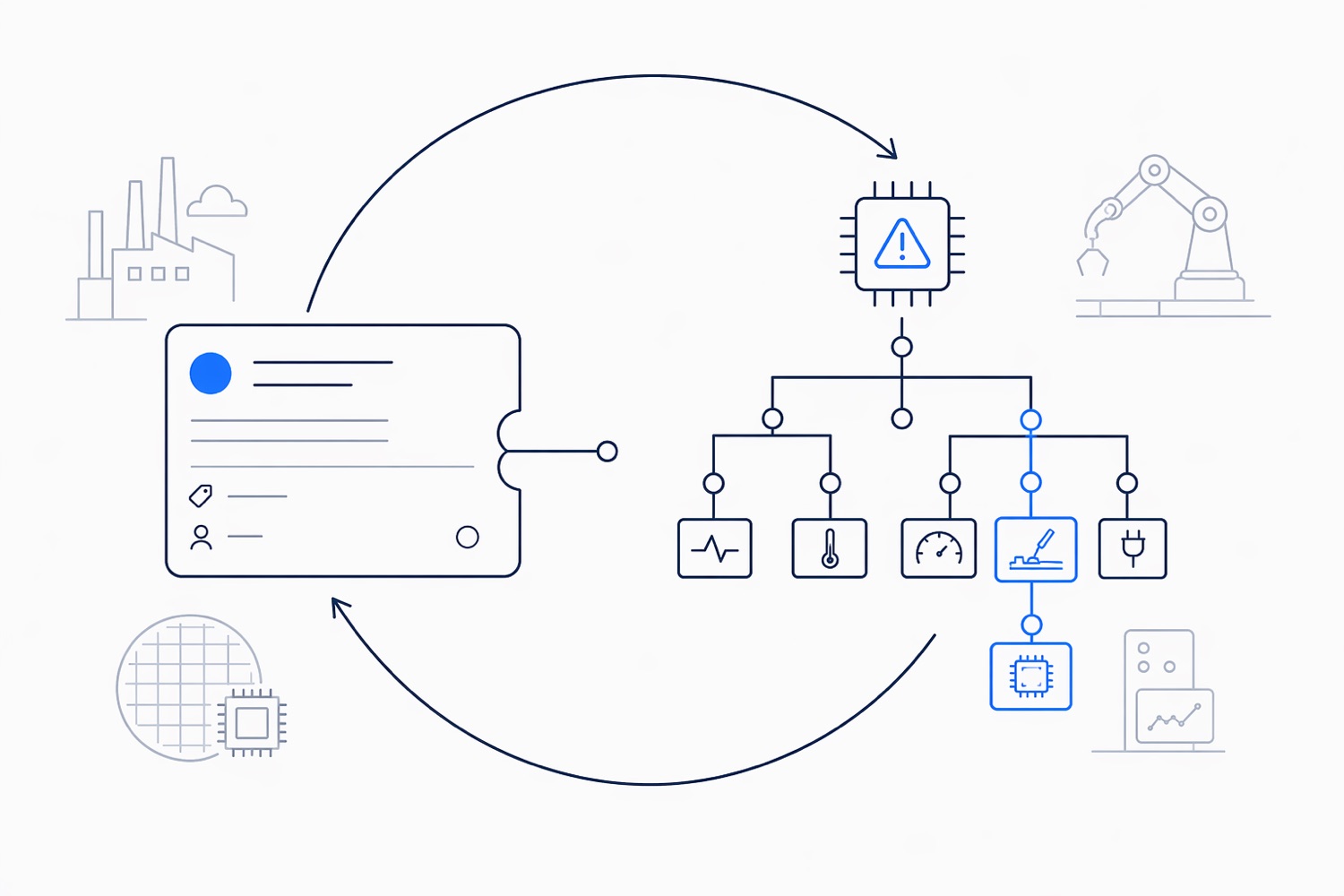
The RCA Explanation capability helps engineers move from an issue description to likely root causes. Using the details recorded on the issue and the relevant product reference documents, the AI generates ranked candidates for each department. Each candidate carries a high, medium, or low confidence level, a hypothesis, and a rationale for the suggested cause.
The process supports engineering judgment and does not replace it. Engineers accept or reject each candidate, and an accepted candidate carries into the 5-Why, helping teams structure and document the confirmed root cause. Because suggestions draw on the SOPs and reference documents held in each product's datastore, they stay tied to knowledge the organization already maintains.
Visibility Across the Issue Lifecycle
An Overview dashboard gives a consolidated view of quality issues and can be filtered by time range, product, line and stage.
- • Track status: Open, Under Review, Under Monitoring, Closed and Overdue tiles show where every ticket sits, while Ticket Flow shows where work is progressing or accumulating.
- • Find concentration: Pareto and heat map views show how issues are distributed across priorities, products, lines and stages.
- • Spot what is ageing: Issue Aging bands and the Longest Waiting table make it easier to see which issues need attention first.
Built for Cross-Department Accountability
The workflow reflects the collaborative nature of quality management. Roles such as Admin, Production, IQC, and PQC carry defined permissions, and each department is assigned a point of contact for its response. Notifications can be routed by email, in the app, or both for events such as a new issue, a reassigned owner, or a completed verification.
Product-specific knowledge is organized in individual datastores holding SOPs and reference documents. These can be uploaded directly or imported from Google Drive, OneDrive, and SharePoint. The documents appear as relevant references within tickets and form the knowledge base the AI uses during root cause analysis.
By connecting departmental ownership, documented responses, and organizational knowledge, the solution brings greater structure to how quality issues are investigated and followed through.
A Partnership Shaped by Feedback
Consumer Electronics Manufacturer's teams shaped the product from the first prototype. Their feedback led to aging bands matched to their 30-day working window, an 8-week trend view, an optional work order field, and a Quantities Affected field on every issue. Later requests added @mentions with notifications, comment editing with version history, and an Issue Closure Date that records when an issue is officially closed.
"We went from chasing updates across emails and spreadsheets to one place where every issue has an owner, a response and a verification. The AI draws on our own SOPs, and our engineers make the final call. That is why they trust it and use it."
- Quality Head
The Outcome
For Consumer Electronics Manufacturer, the result is a single, connected workflow linking issue reporting, departmental investigation, AI-assisted root cause analysis, and verification. Teams have a structured way to assign responsibility, document containment and corrective actions, review potential root causes, and keep an auditable record of every issue.
The Overview dashboard shows the status and age of tickets, while product-specific reference documents give AI-assisted investigations a foundation in the organization's existing process knowledge. Engineers remain in control, supported by a workflow designed for accountability and evidence.
In the first six weeks of live use, issues reached a first department response in a median of 1.1 days and were resolved in a median of 4.2 days. 93% of department responses were accepted at first verification, and 21 of 29 users were active on the platform in a single week.